
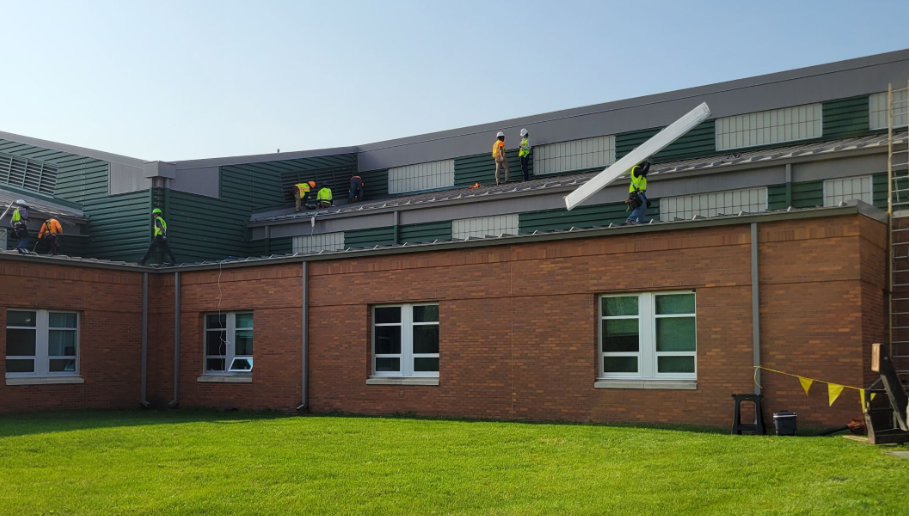



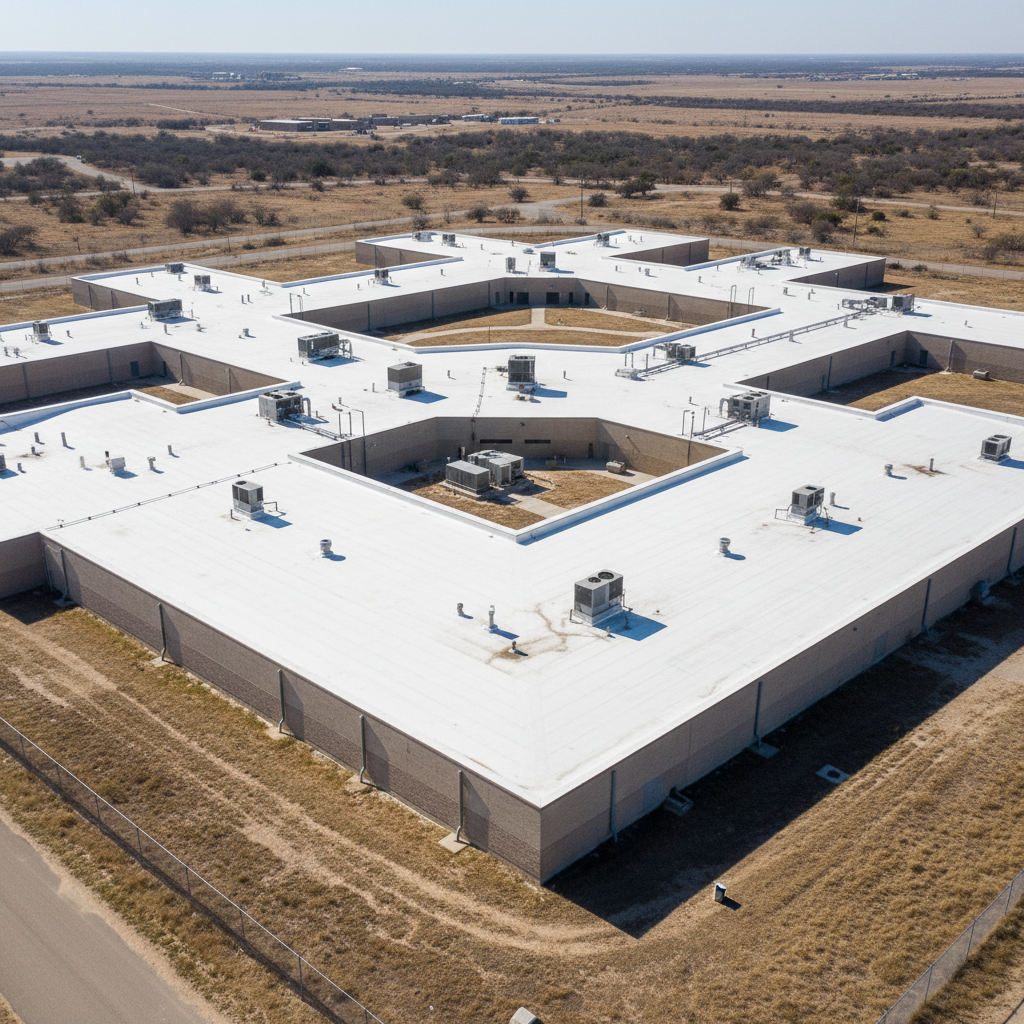


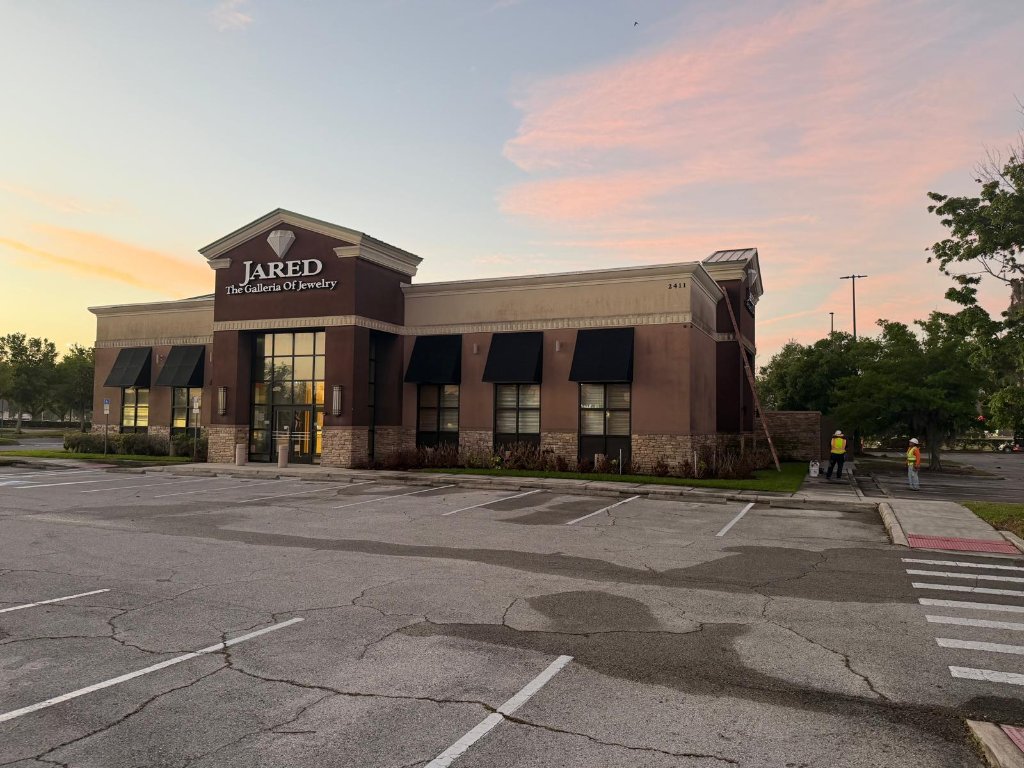






A failed ceiling tile, an office reconfiguration, a repair request from a tenant, and a planned site upgrade can all look like separate problems. For the person responsible for the property, they are part of the same operating requirement: getting facility services completed without losing control of cost, schedule, communication, or records.
The work itself matters, but the process around the work matters just as much. A project can be completed correctly and still create unnecessary friction if the scope was unclear, the approval trail is missing, or the invoice cannot be matched to the original quote. Commercial clients need a provider relationship that turns a service need into documented, trackable action.
What Facility Services Should Accomplish
Facility services cover the practical work required to maintain, repair, improve, and support a commercial property or workplace. The exact scope depends on the building, lease arrangement, occupancy, and internal resources. A multi-tenant property manager may need help coordinating common-area repairs and turnover work. An operations leader may need a reliable partner for improvements that cannot wait for an annual capital plan. An office administrator may need a clear path for submitting smaller requests without chasing multiple vendors.
The common requirement is coordination. Clients need to know what work is being requested, what it will cost, who is responsible, when it is scheduled, and whether it has been completed. That information should not be scattered across emails, text messages, paper estimates, and disconnected invoices.
A well-managed service engagement creates one operational record from initial request through billing. It gives stakeholders a defensible answer when they are asked where the project stands or why a charge was approved.
Start With a Defined Request
Most service problems begin before work starts. A request such as “fix the conference room” may describe a real issue, but it is not enough to quote or schedule accurately. The provider needs the location, the condition observed, the desired result, timing requirements, site-access details, and any known constraints.
The goal is not to burden the requester with paperwork. It is to prevent assumptions from becoming change orders, delays, or disagreements later. Photos, measurements, asset details, and a short description of the business impact can make a request far easier to assess.
For recurring clients, it also helps to identify who can authorize work. A site contact may report an issue, while a property manager, procurement contact, or budget owner approves the quote. Establishing those roles early avoids the common situation where work is ready to proceed but no one knows who can release it.
Separate Urgent Work From Planned Work
Not every request needs the same response. A water intrusion, safety concern, or condition that disrupts operations may require immediate triage. Planned improvements, cosmetic repairs, and noncritical replacements usually benefit from a more detailed review of scope, budget, and scheduling.
Treating both categories the same creates problems. If every request is handled as an emergency, costs rise and planned work gets pushed aside. If an urgent issue is forced through a slow approval process, the building and its occupants may face unnecessary risk. A clear intake process should allow for both speed and control.
Quotes Are a Control Point, Not Just a Price
A quote should make it possible for a client to approve work with confidence. Price is essential, but it is only one part of the decision. A useful quote states the work to be performed, material or labor assumptions, exclusions, estimated schedule, and conditions that could affect the final scope.
This level of detail protects both sides. The client can compare the quote to the request and confirm that the expected outcome is covered. The service provider can plan labor, materials, access, and sequencing around an agreed scope.
The right level of detail depends on the job. A straightforward repair may need only a concise description and price. A larger project may require phased work, site requirements, dependencies, allowances, and a process for approving changes. More detail is not always better if it makes the document difficult to use. The standard should be enough clarity to support an informed approval.
For clients managing multiple locations or departments, quote records are also valuable for budget control. They show what has been approved, what remains pending, and which requests need a decision before scheduling can occur.
Managing Facility Services During Execution
Once work is approved, execution should not become a black box. Clients do not need a stream of unnecessary messages, but they should receive updates at meaningful points: scheduling, material delays, access issues, scope changes, completion, and any condition requiring a decision.
A project record creates discipline here. It ties the original request to the approved quote, assigned work, communication history, supporting photos or documents, and final invoice. When several people are involved, this record reduces the risk that an important instruction is lost in a separate email thread.
Site access deserves particular attention. Many facility projects depend on keys, escorts, loading dock reservations, security clearance, tenant notice, after-hours access, or coordination with other trades. A capable provider raises these requirements before the crew arrives, not when work has already been delayed.
Schedule expectations should be practical. Some work can be completed quickly once approved; other work depends on material availability, permits, specialized labor, building rules, or occupied-space restrictions. A dependable provider communicates what is known, identifies dependencies, and updates the plan when conditions change.
Handle Scope Changes in Writing
Field conditions do not always match the original request. Opening a wall can reveal damage. A replacement part may be discontinued. A client may decide to expand the work after seeing the site condition. These changes are normal, but they require a documented decision.
The best practice is simple: describe the newly identified condition, explain its impact on cost or schedule, and obtain approval before proceeding when possible. This keeps a minor adjustment from becoming an invoice dispute. It also gives budget owners a clear record of why the final cost differed from the initial estimate.
Completion Includes Documentation and Billing
Work is not fully complete when the crew leaves the site. The client still needs confirmation that the requested service was performed and a clean administrative closeout. Depending on the project, that may include completion notes, photographs, test results, warranty information, or a record of items that require follow-up.
The invoice should connect clearly to the approved work. When a client has to search through old emails to understand a charge, both payment and future planning slow down. Matching invoices to quotes and project records makes accounts payable easier and gives managers better visibility into property spending.
This is especially useful for repeat work. Over time, organized records can reveal patterns: recurring repairs at one location, equipment that may justify replacement, frequent service requests from a particular area, or project types that should be planned earlier in the budget cycle. Service history becomes operational information, not just closed paperwork.
Choose a Provider Based on Process as Well as Capability
Technical capability is necessary, but it is not the only factor in a productive vendor relationship. A provider may perform quality work and still be difficult to manage if quotes arrive without enough detail, updates are inconsistent, or invoices do not correspond to approved work.
When evaluating facility services, ask how requests are received, how scopes are confirmed, who communicates project status, and how records are maintained. Also ask how urgent needs are handled, how changes are approved, and what information accompanies final billing. These questions show whether a provider can operate within the controls your organization needs.
Expedient Facility Services LLC is built around this type of accountable workflow: clear requests, structured quotes, managed projects, direct communication, and organized invoice administration. The approach is designed for commercial clients who need service work to remain visible from the first inquiry to final payment.
A facility issue will rarely arrive at a convenient time. Establishing the request, quote, project, and billing process before the next issue appears gives your team a practical way to respond without sacrificing oversight.

