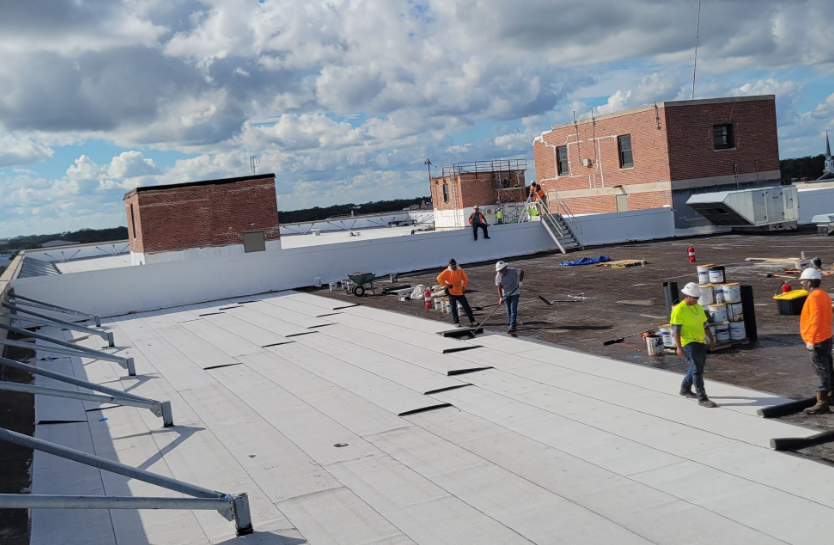
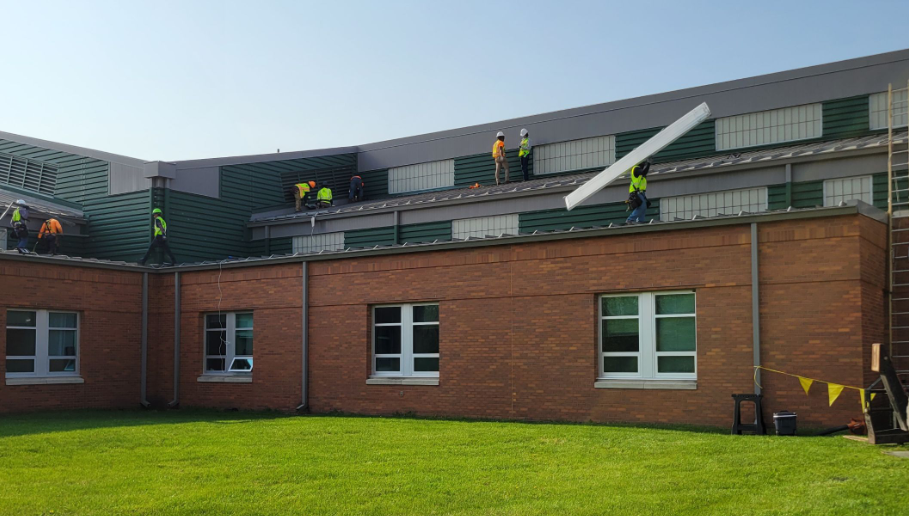










A leaking roof, failed door hardware, an office reconfiguration, and a recurring cleaning issue can all arrive in the same week. Building operations management determines whether those requests become controlled projects or a chain of missed calls, unclear costs, and incomplete work. For commercial properties and workplaces, the difference is usually not effort. It is process.
Building Operations Management Is More Than Maintenance
Building operations management is the coordinated work of keeping a facility functional, safe, presentable, and ready to support the people and business activities inside it. Maintenance is part of that work, but the role is broader. It includes receiving requests, defining scope, obtaining quotes, scheduling service, communicating with occupants and vendors, tracking costs, documenting completion, and resolving follow-up items.
The challenge is that facility work rarely arrives in a neat sequence. An urgent plumbing issue may interrupt a planned flooring project. A tenant improvement may require access coordination, after-hours scheduling, approvals, and several trades. A small repair can become expensive when the original condition, requested work, and authorization are not documented.
A workable operating model gives each request a path from intake to closeout. It does not need to be complicated, but it must be consistent enough that a manager can answer basic questions quickly: What was requested? Who approved it? What will it cost? Who is performing the work? What is the current status? Has the work been accepted and invoiced?
Start With a Controlled Request Process
The first point of failure is often the request itself. When work is submitted through texts, hallway conversations, and scattered emails, details disappear before a quote is ever prepared. That creates rework for the facility team and uncertainty for the service provider.
Every request should capture the same core information: the property and exact location, the issue or desired outcome, the urgency, site access requirements, photos or supporting documents when available, and the person authorized to make decisions. This information helps distinguish a true emergency from a routine repair and prevents a vendor from arriving without the details needed to perform the work.
Define urgency without treating everything as urgent
A practical priority system protects both response time and budget. Emergency work involves an immediate safety risk, active damage, security exposure, or business interruption. Urgent work needs prompt attention but can be scheduled within a short window. Planned work can move through normal quoting and approval steps.
This distinction matters because the fastest option is not always the best value. Emergency dispatches, after-hours access, and accelerated material sourcing can be necessary, but they commonly increase cost. Clear priority labels let decision-makers reserve that expense for situations where it is justified.
Clarify the desired result before requesting a quote
A quote is only as useful as the scope behind it. For a repair, describe the symptom, location, operating hours, and known site conditions. For a project, state the intended result, applicable standards, finish expectations, timing constraints, and whether the work must occur while the space is occupied.
There will be cases where the full scope is not known until a site visit or exploratory work begins. That is normal. The key is to document assumptions and establish how additional work will be approved before it proceeds. A low initial price is not a savings if exclusions and change conditions are left vague.
Build a Workflow From Quote to Closeout
A disciplined workflow gives building teams visibility without forcing them to chase updates. Each stage should have a clear owner and a defined record.
After intake, the request should be reviewed for completeness and assigned a priority. The next step is a site assessment or quote, depending on the type of work. The quote should identify the scope, pricing, expected schedule, exclusions, and any conditions that could affect cost or timing. Once approved, the request becomes an active project with a schedule, point of contact, access plan, and communication expectations.
During execution, status updates should reflect real progress rather than a generic open or closed label. Useful milestones include scheduled, in progress, awaiting materials, awaiting client decision, ready for review, and completed. These statuses make delays visible early enough to address them.
At closeout, confirm that the requested work was performed, the work area is acceptable, required documents have been received, and any punch-list items have an assigned owner. The final invoice should match the approved quote and documented changes. If the cost changed, the record should show why.
For recurring work, this history becomes especially valuable. It shows what was serviced, when it occurred, what issues repeated, and whether the current service approach is meeting the property's needs.
Coordinate Vendors With Clear Accountability
Most commercial facilities rely on multiple service providers. That can be appropriate because specialized work often requires specialized skills. The trade-off is administrative complexity. Without defined responsibilities, vendors may receive conflicting directions, duplicate work, or arrive at a site without proper access.
Assign one client-side contact for each active project, even if several stakeholders need updates. The contact does not need to make every decision, but should be responsible for routing approvals and confirming site conditions. On the provider side, identify the project lead who can answer questions about scope, schedule, and completion.
Vendor coordination should also account for building realities: loading procedures, certificates of insurance, elevator reservations, security clearance, noise restrictions, shutdown windows, and tenant notifications. A provider may have the technical capability to do the work, but poor coordination can still disrupt operations.
Performance should be reviewed on more than price. Reliable arrival times, accurate documentation, communication during changes, clean closeout, and the ability to work within site rules all affect the total cost of managing a project.
Keep Budget Control Connected to Field Work
Facility budgets are easier to manage when costs are tied to specific requests and approved scopes. A lump sum of miscellaneous repairs may be convenient for accounting, but it offers little guidance for future planning.
Track quoted amount, approved changes, invoiced amount, and final cost for each project. This creates a record that can reveal recurring failures, high-cost locations, and work that may justify replacement rather than repeated repair. For example, repeated service calls for aging equipment may support a capital request more clearly than a series of isolated invoices.
Not every job requires the same level of quoting. Small, routine tasks may be handled through agreed pricing or a not-to-exceed authorization. Larger, visible, or uncertain projects deserve more detailed scope review and approval. The right level of control depends on risk, cost, tenant impact, and how easily the work can be reversed if expectations are missed.
Use Records to Improve the Next Request
Project records are not just administrative files. They are operating information. Photos, quotes, approvals, work orders, invoices, warranties, and completion notes allow a facility team to make better decisions the next time a similar issue occurs.
A useful record system should make it easy to find work by property, location, category, vendor, and date. It should also preserve the connection between the original request and the final invoice. When a stakeholder asks why a project cost more than expected or when a service was last performed, the answer should not depend on searching personal inboxes.
At Expedient Facility Services LLC, organized quoting, project tracking, and invoicing support this kind of accountable workflow. The goal is not to add administration for its own sake. It is to keep service activity visible from the first request through billing.
Strong building operations management gives teams a practical advantage: fewer avoidable surprises, clearer decisions, and a record of what was done. Start with the next request. Capture the right details, define the approval path, and keep the closeout attached to the work. That small discipline makes the next project easier to manage.

