




A leaking roof over an occupied office, a failed restroom exhaust fan, and a move-out cleaning deadline may look like separate problems. For the person responsible for the property, they are all facility management services examples that require the same thing: a clear request, a defined scope, accountable execution, and records that support payment and future planning.
Facility management is not one service. It is the organized coordination of work that keeps commercial buildings, workplaces, and properties safe, usable, presentable, and compliant. The exact mix depends on the site, occupancy, building age, lease obligations, and internal staff capacity.
What Counts as a Facility Management Service?
A facility management service supports the physical environment where an organization operates. Some work is recurring, such as janitorial cleaning or landscape maintenance. Other work is project-based, such as repairing damaged drywall after a plumbing leak or reconfiguring a workspace for a new department.
The practical distinction is not whether a task is large or small. It is whether the task affects the condition, function, safety, appearance, or operating cost of a facility. A dependable service process captures the request, documents the quote, schedules the work, tracks progress, and closes the project with a clear invoice.
12 Facility Management Services Examples
1. Preventive Maintenance
Preventive maintenance includes scheduled work intended to reduce equipment failures and avoid emergency repairs. Common examples include HVAC filter changes, belt inspections, lubrication, drain-line cleaning, generator checks, and roof inspections.
A preventive plan is most useful when it is tied to a documented asset list and service schedule. Without that structure, maintenance can become reactive, with work ordered only after tenants complain or equipment stops operating.
2. Corrective and Emergency Repairs
Corrective maintenance addresses a known problem, such as a broken door closer, leaking fixture, damaged ceiling tile, failed light fixture, or nonfunctioning outlet. Emergency repair work covers conditions that demand a faster response, including active leaks, electrical hazards, loss of heating or cooling, and unsecured entry points.
Not every urgent request is a true emergency. Clear triage helps direct budget and labor where they are needed most. A noncritical cosmetic repair can be scheduled, while a water intrusion issue may require immediate containment followed by a separate restoration scope.
3. Janitorial and Specialty Cleaning
Routine janitorial work can include restroom cleaning, trash removal, floor care, breakroom service, and common-area cleaning. Specialty cleaning may involve carpet extraction, post-construction cleanup, high-dusting, window cleaning, pressure washing, or disinfection after a confirmed exposure event.
The scope should identify service frequency, covered areas, consumables, access hours, and quality expectations. “Clean the office” is difficult to inspect and price. A defined square footage, room list, and task schedule gives both the client and provider a workable standard.
4. HVAC Service and Indoor Air Support
Heating, ventilation, and air conditioning service is a major operating concern for offices, retail sites, healthcare environments, warehouses, and multifamily common areas. Work can range from seasonal inspections and thermostat repairs to condenser replacement and airflow balancing.
Indoor air complaints require careful handling because the source may not be the HVAC system alone. Occupancy density, cleaning chemicals, moisture, blocked vents, and exterior conditions can all contribute. The right first step is usually assessment and documentation rather than assuming a costly replacement is necessary.
5. Plumbing Services
Plumbing services include repair and replacement of faucets, toilets, flush valves, water heaters, drains, supply lines, shutoff valves, and related fixtures. Drain clearing and leak investigation are common requests in commercial properties.
Plumbing work should distinguish between a visible symptom and the underlying condition. Repeated drain backups, for example, may point to a larger line issue, misuse, insufficient maintenance, or a building-system defect. A service record helps identify patterns before they become capital expenses.
6. Electrical and Lighting Work
Electrical facility services can include troubleshooting outlets and circuits, replacing damaged devices, repairing lighting controls, installing fixtures, upgrading to LED lighting, and supporting minor power changes for office layouts or equipment.
Lighting upgrades can lower energy and replacement costs, but the lowest fixture price is not always the best choice. Fixture output, color temperature, controls, ceiling height, warranty, installation access, and local code requirements all affect the final result.
7. Grounds and Exterior Maintenance
Exterior services help maintain curb appeal, access, drainage, and site safety. Examples include mowing, trimming, seasonal cleanup, irrigation repairs, tree work, snow and ice management, parking lot sweeping, pressure washing, and minor fence or gate repairs.
Seasonal timing matters. Snow services need an agreed trigger depth and response expectation before the first storm. Landscape work needs a schedule that accounts for weather, irrigation, and tenant activity. Exterior requests are easier to manage when site maps and priority areas are included with the work order.
8. Building Envelope and Roof Repairs
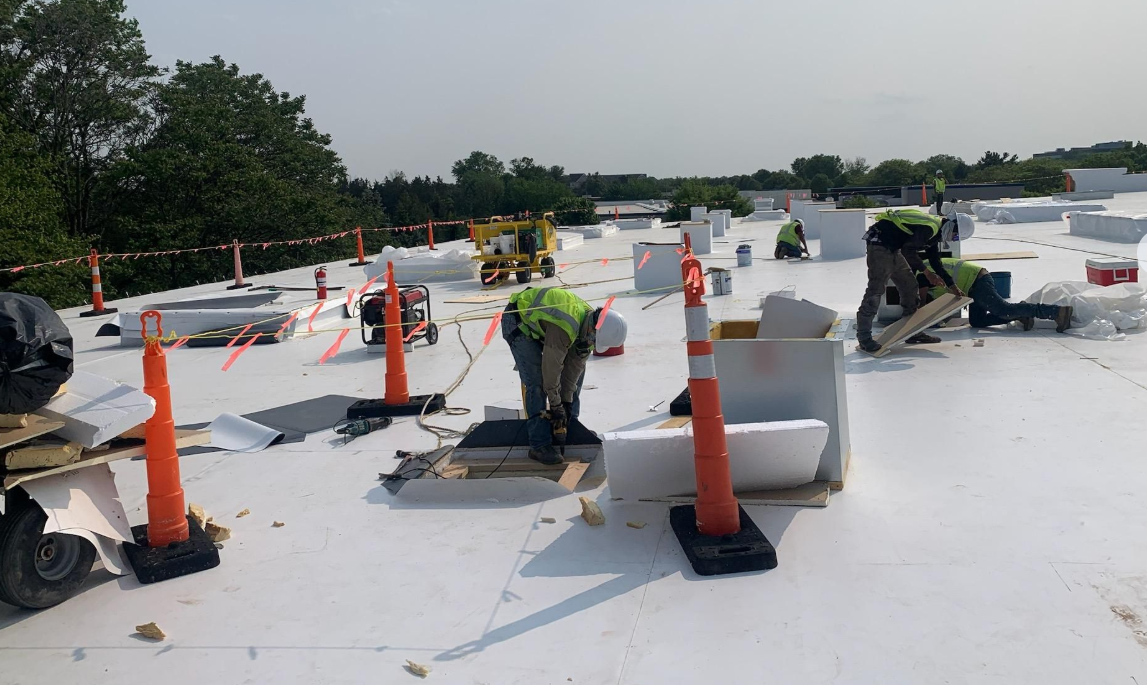
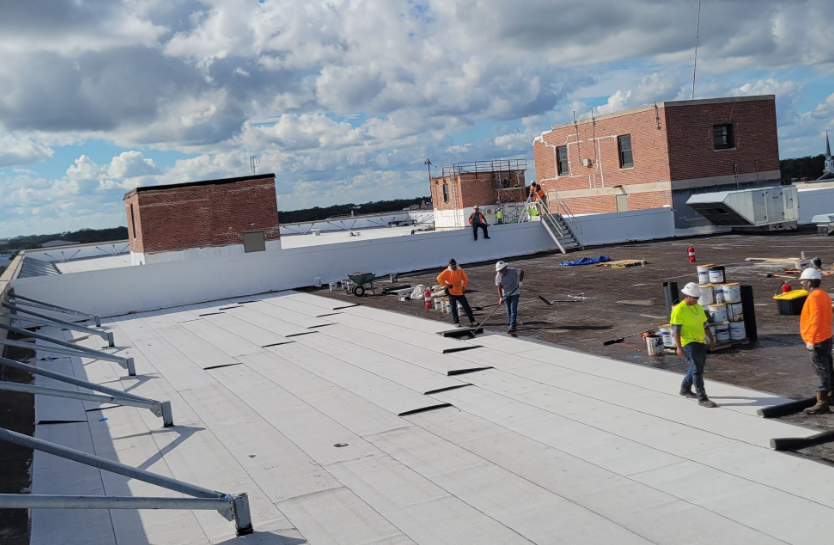
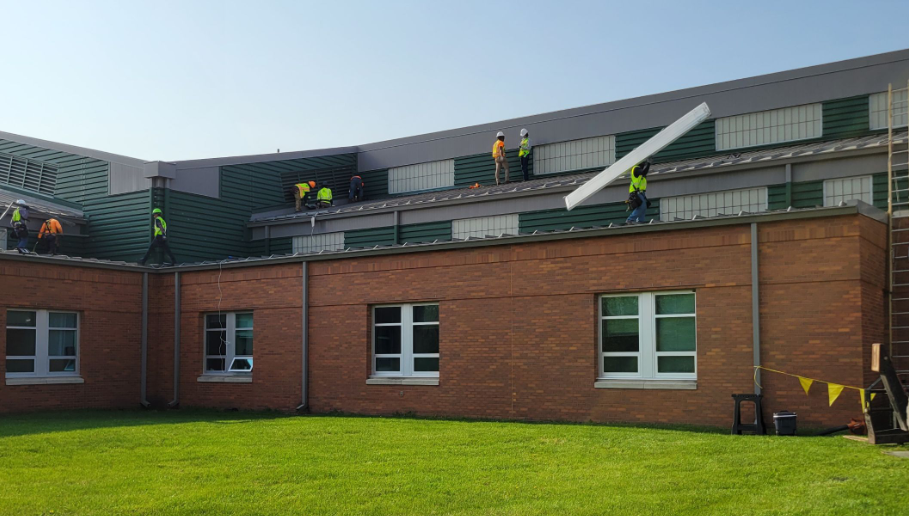
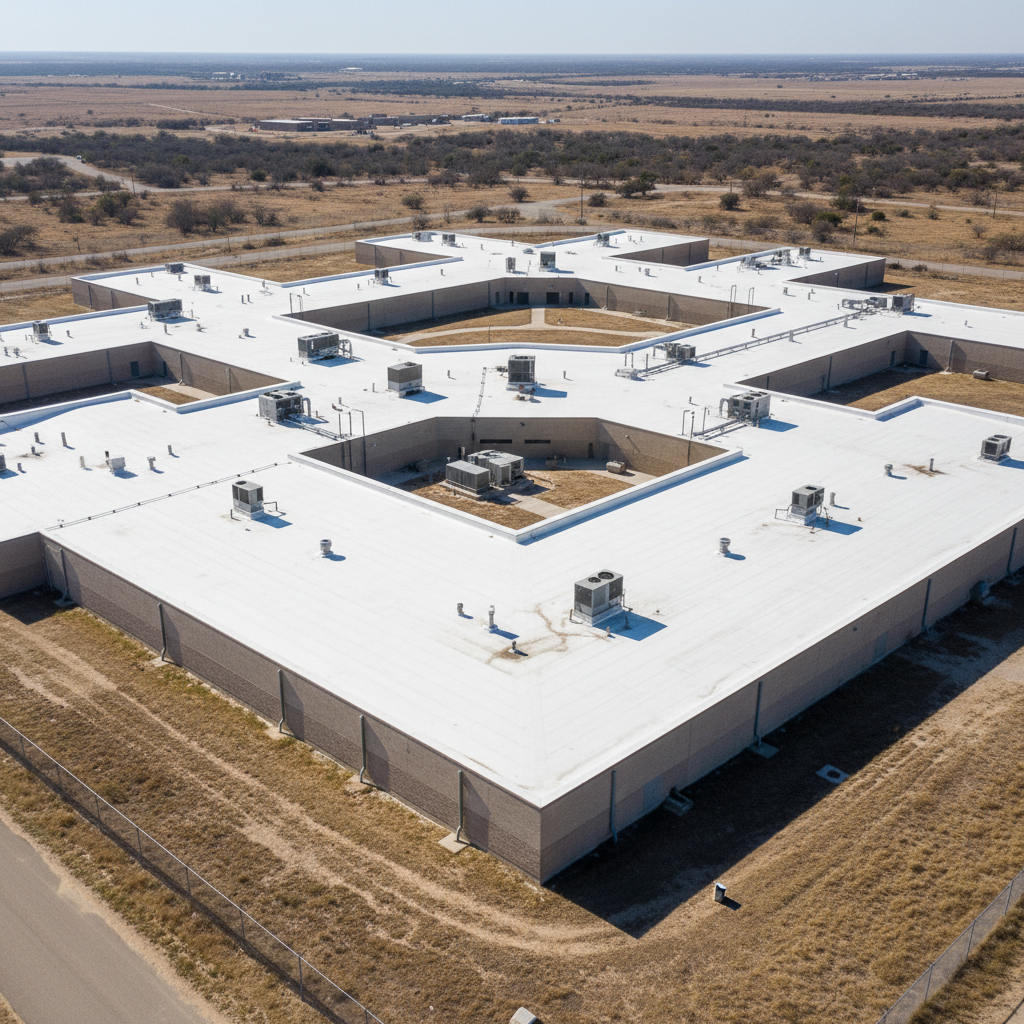
The building envelope includes the roof, walls, windows, doors, seals, and other components that protect the interior from weather and moisture. Typical requests include roof leak investigation, flashing repair, caulking, damaged siding repair, window adjustments, and weatherstripping replacement.
These services deserve prompt attention because small water-entry points can create larger interior damage. Still, a repair should be based on an identified source whenever possible. Replacing stained ceiling tiles without addressing the leak only delays the next service request.
9. Painting, Drywall, and Interior Repairs
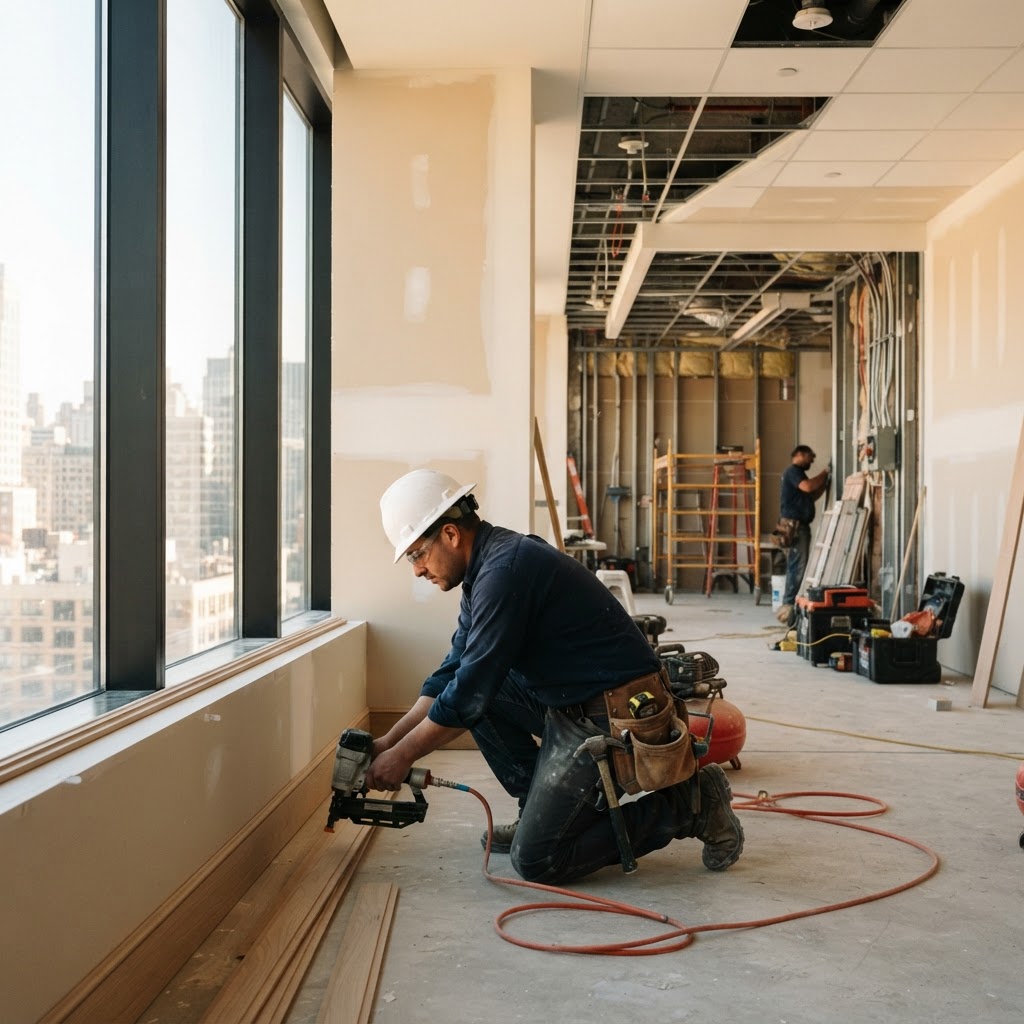
Interior repair services cover patching drywall, repairing doors and frames, replacing ceiling tiles, painting walls, fixing trim, and addressing ordinary wear in occupied spaces. These projects are often scheduled around tenant moves, inspections, renovations, or damage incidents.
For occupied buildings, coordination is as important as the repair itself. The scope should address work hours, dust control, furniture protection, access, noise limits, and whether the area must remain available during the project.
10. Space Reconfiguration and Move Support
Businesses regularly need workstations moved, offices repurposed, shelving installed, conference rooms adjusted, or equipment relocated. Facility management support can coordinate the physical tasks around a relocation or workplace change, including furniture handling, minor electrical changes, patch-and-paint work, and post-move cleanup.
These projects often fail when responsibilities are unclear. A good scope separates what the facility provider will handle from what IT, furniture vendors, building management, and the client’s internal team must complete.
11. Safety, Compliance, and Inspection Corrections
Facility-related compliance work may include correcting trip hazards, replacing exit signage, repairing handrails, addressing damaged fire-rated doors, updating safety markings, or resolving deficiencies identified during an inspection. Requirements vary by property type and jurisdiction, so the work should be evaluated against the applicable rules and site conditions.
Documentation is especially valuable here. Photos, inspection findings, approved quotes, completion records, and invoices create a usable file for property managers, insurers, ownership groups, and future audits.
12. Waste, Recycling, and Site Organization
Waste-related services can include coordinating dumpster areas, arranging bulk debris removal, cleaning enclosure areas, replacing damaged receptacles, and improving recycling signage or collection practices. At warehouses and multi-tenant properties, site organization may also include marking storage areas, clearing common corridors, or coordinating disposal after a renovation.
This category is easy to overlook because it is not always a repair. Yet unmanaged debris and poorly maintained collection areas can create safety concerns, pest issues, tenant complaints, and a negative first impression.
How to Turn a Service Need Into a Manageable Project
The best facility requests begin with enough detail to support an accurate quote. Identify the location, the problem or desired outcome, access limitations, urgency, photos if available, and any known building requirements. If the work affects a tenant, customer area, or critical operation, include the required completion window.
A quote should make the scope visible. It should state what is included, material assumptions, exclusions, schedule expectations, and any conditions that could change the price. For uncertain conditions, such as concealed water damage or an intermittent electrical issue, a diagnostic visit may be more appropriate than a fixed repair quote.
Once approved, project tracking keeps the work from disappearing into email threads. Record the assigned provider, scheduled date, client contacts, site access details, change requests, completion status, and invoice information in one place. This creates accountability without making routine service unnecessarily complicated.
Choosing Between Recurring Service and Project Work
Some facility needs belong on a recurring schedule. Cleaning, landscaping, filter replacement, inspections, and snow management usually benefit from planned service because the required work is predictable. A recurring arrangement can improve budget control and reduce time spent sourcing providers for each visit.
Other needs are better handled as quoted projects. Tenant improvements, restoration work, major repairs, relocations, and one-time compliance corrections may have variable scopes and require approvals before scheduling. Trying to force these projects into a flat recurring price can create confusion when site conditions change.
The practical answer is often a mix: recurring care for routine needs, plus a documented project workflow for exceptions and improvements.
When a new request comes in, start with the condition that needs to be corrected and the business impact if it is not addressed. That simple discipline makes it easier to prioritize the work, obtain a useful quote, and keep the facility operating without administrative guesswork.

