












A vendor can submit a competitive quote and still create costly problems after award. Missing insurance documents, unclear site access rules, vague work orders, and inconsistent invoice details often surface when work is already underway. A facility vendor onboarding checklist puts those controls in place before a technician arrives, protecting the schedule, budget, building, and client relationship.
For facility managers, property managers, and operations teams, onboarding should not be treated as a one-time administrative exercise. It is the point where a requested service becomes a controlled project with clear expectations, documented responsibilities, and a record that can be referenced at closeout or during the next service request.
Start With the Project, Not the Vendor File
A vendor may be approved generally, but every project still needs its own onboarding review. The requirements for a recurring janitorial service are different from those for after-hours electrical work, roof repairs, flooring replacement, or an occupied-office renovation. Start by defining what the project needs before collecting documents that may not apply.
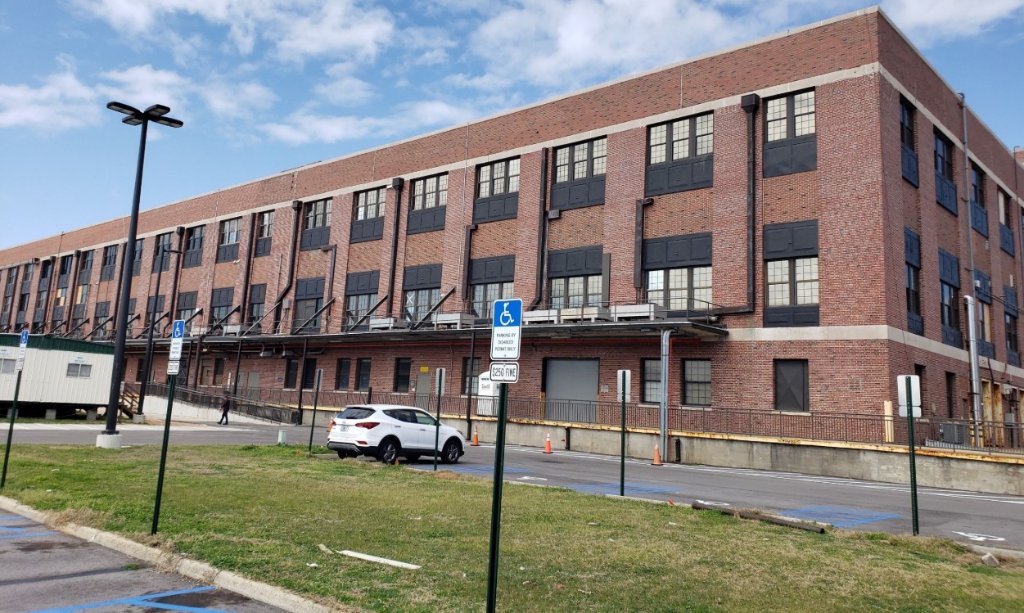
The request should identify the service location, areas affected, desired completion date, operating hours, building restrictions, and the person authorized to approve changes. Include the practical details that commonly get lost between the quote and field work: loading dock instructions, elevator reservations, badge requirements, parking rules, shutdown windows, tenant notifications, and disposal procedures.
Scope clarity is especially important when multiple trades are involved. State who supplies materials, who moves furniture, who protects finished surfaces, who coordinates permits, and who restores the area after work. If the answer is "as needed," clarify who decides and who pays before issuing the work authorization.
The Facility Vendor Onboarding Checklist
Use the following checklist as a project control document. Not every item is required for every service, but each item should receive a clear status: complete, not applicable, pending, or exception approved.
- Business identity and contacts: Confirm the legal business name, billing address, primary project contact, after-hours contact, field supervisor, and accounts payable contact. A field technician should not be the only available contact for a project.
- Insurance and compliance records: Collect certificates of insurance that meet the property or client requirements, including general liability, workers' compensation, and commercial auto coverage where applicable. Verify expiration dates, required additional insured language, and any site-specific requirements. Depending on the project, licenses, trade certifications, background screening, drug-free workplace documentation, or tax forms may also be needed.
- Scope and quote approval: Attach the approved quote or work order with a defined scope, exclusions, unit pricing if applicable, estimated duration, material allowances, and change-order process. Avoid approving a broad email description when the work has site, access, or finish-quality implications.
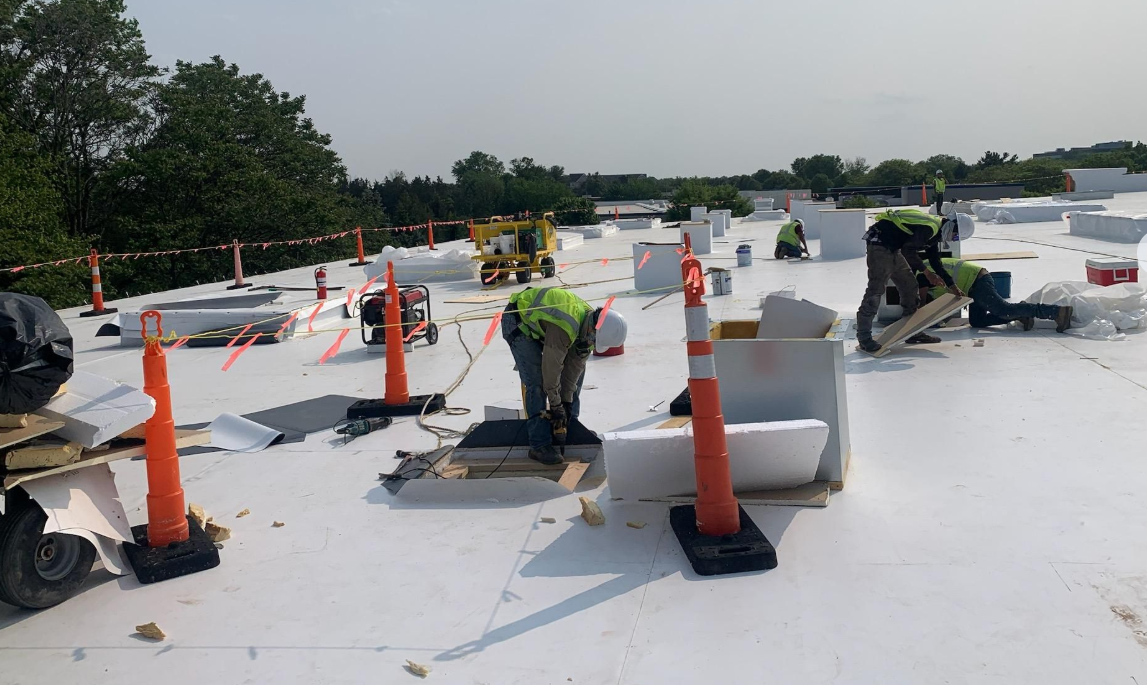
- Safety and site rules: Provide the vendor with site-specific safety expectations, emergency contacts, incident reporting procedures, personal protective equipment requirements, hot-work rules, lockout/tagout procedures, and any required safety orientation. For higher-risk work, request a job hazard analysis or project-specific safety plan before mobilization.
- Access and scheduling: Confirm arrival windows, entry points, key or badge procedures, escort requirements, loading instructions, staging areas, parking, elevator use, and hours when noisy or disruptive work is allowed. These details directly affect labor time and should be aligned before the crew is dispatched.
- Communication and escalation: Establish who can direct day-to-day work, who can approve added cost, when progress updates are expected, and how urgent issues will be escalated. For multi-day work, a short daily update can prevent avoidable surprises.
- Documentation and closeout: Define the deliverables required at completion. They may include photos, service reports, inspection results, warranties, permits, disposal manifests, punch-list confirmation, or commissioning records. Match the closeout requirement to the work instead of requesting generic paperwork that no one uses.
- Invoice requirements: Give the vendor the correct legal entity, project or work-order number, billing address, invoice submission method, required backup, and payment terms. If labor, materials, trip charges, or equipment rentals must be separated, state that requirement in advance.
Verify Documents for the Actual Risk
A complete vendor folder is useful, but completeness alone is not the standard. The documents must be appropriate for the work and current for the project period. A certificate that expires before a long project ends, for example, requires follow-up. A contractor entering a healthcare, food service, school, or high-security environment may need controls beyond standard commercial insurance.
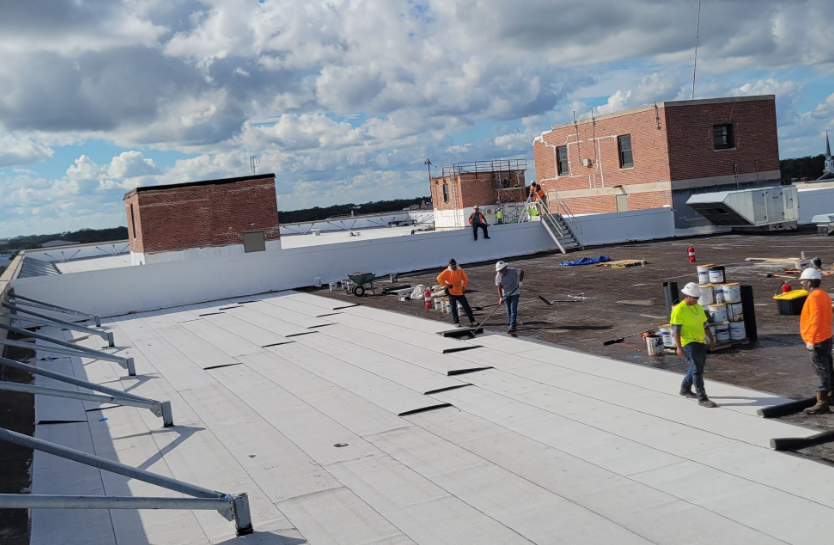
Apply more scrutiny when the work involves heights, electrical systems, fire protection, confined spaces, hazardous materials, occupied spaces, or critical building operations. A small repair may need only a work order and site contact. A project that requires a shutdown, affects life-safety systems, or introduces a significant injury risk should have a documented pre-work review.
There is a trade-off. Requiring the same extensive package for every minor service call slows response and frustrates qualified vendors. A tiered process works better: basic requirements for low-risk routine work, added controls for higher-risk or higher-value projects, and a formal exception process for genuine emergencies.
Turn the Approved Quote Into a Work Plan
The approved quote is a commercial document. The work plan is an execution document. They should agree, but the work plan needs more operational detail.
Before the start date, confirm the sequence of work, crew size, expected duration, material lead times, protection of occupied areas, and any coordination with building engineering, security, tenants, or other vendors. If the work affects power, water, HVAC, fire alarms, access control, or network equipment, identify the shutdown owner and the recovery steps.
Change control deserves particular attention. Facility projects frequently uncover concealed conditions, damaged components, restricted access, or scope gaps. The vendor should know that additional work requires written authorization from the designated approver before proceeding, except where immediate action is needed to protect people or property. For emergencies, document the decision, time, condition, and expected cost as soon as practical.
This approach is not meant to create delay. It prevents field personnel from being asked to make commercial decisions without authority and gives stakeholders a reliable record of why cost or schedule changed.
Establish One Source of Project Truth
Vendor onboarding breaks down when information is spread across text messages, email threads, paper tickets, and verbal instructions. Maintain a single project record that holds the request, quote, approvals, onboarding documents, schedule, communication notes, change orders, service reports, and invoice backup.
The system does not need to be complicated, but it needs ownership. Someone should be responsible for verifying document status, confirming the start date, tracking open decisions, and marking the project ready for invoice. This is particularly useful for property teams managing multiple locations or recurring work from several vendors.
At Expedient Facility Services, structured quoting, project tracking, and invoicing support that same operating discipline: the service request should remain connected to the approved work and final billing record. Whether work is managed internally or through a service partner, the objective is clear visibility from request through closeout.
Review Performance Before Making the Vendor Recurring
Onboarding is also a chance to establish how performance will be measured. For a one-time repair, this may be limited to attendance, scope completion, quality, documentation, and invoice accuracy. For recurring services, add response time, preventive maintenance completion, recurring issue rates, communication quality, and adherence to scheduled visits.
Do not wait for a major failure to capture performance notes. A brief closeout review after each project creates a practical vendor history: what worked, where coordination failed, whether pricing matched the quote, and whether the vendor should be used again for similar work. It also distinguishes a vendor that performs well under controlled conditions from one that needs unusually high administrative attention.
Keep the Checklist Active
A completed checklist should not disappear into a shared folder. Review it when the scope changes, insurance approaches expiration, a new site is added, the vendor's crew changes, or a project moves from routine service to higher-risk work. For recurring vendors, set a reasonable review cadence based on service type and exposure.
The best onboarding process is specific enough to prevent avoidable problems and practical enough that teams will use it under real operating conditions. When the next urgent request arrives, a current vendor record, a clear work order, and defined approval path can turn urgency into organized action rather than administrative confusion.

