




A failed rooftop unit on a busy Monday can turn a normal workday into a tenant complaint, an employee comfort issue, and an unplanned expense. Preventive maintenance for office buildings is the practical work of finding and addressing those risks before they interrupt operations. It gives facility and property teams a controlled way to plan service, approve costs, document results, and keep building systems dependable.
For most office properties, the goal is not to perform maintenance for its own sake. The goal is to reduce emergency calls, protect capital equipment, meet basic safety obligations, and maintain a workplace that functions as expected. That requires more than a calendar reminder. It requires an organized maintenance program tied to the building's actual assets, occupancy patterns, budget, and service history.
Start With the Systems That Affect Operations
Not every asset needs the same level of attention. A practical program starts by identifying equipment that can disrupt occupancy, create safety exposure, or generate expensive damage if it fails. In an office building, that usually means HVAC equipment, electrical components, plumbing systems, fire and life safety equipment, doors and access controls, lighting, roofing, and common-area finishes.
The correct priority depends on the property. A medical office building may need closer attention to backup power, air quality, and water systems. A multi-tenant downtown office may place more emphasis on elevators, entry systems, restrooms, and after-hours HVAC coordination. A small owner-occupied building may have fewer assets but less internal capacity to manage vendor activity.
Create an asset register before building a schedule. For each major item, record the location, manufacturer, model, serial number, installation date if available, warranty status, service provider, and known maintenance requirements. This record becomes more useful with every completed visit because it connects recurring issues to specific equipment rather than leaving information in emails or individual technician notes.
Build a Preventive Maintenance Office Buildings Schedule
A useful schedule separates routine tasks by frequency and by the consequence of missed work. Monthly, quarterly, semiannual, and annual service intervals are common, but manufacturer requirements and local conditions should control whenever they are more specific.
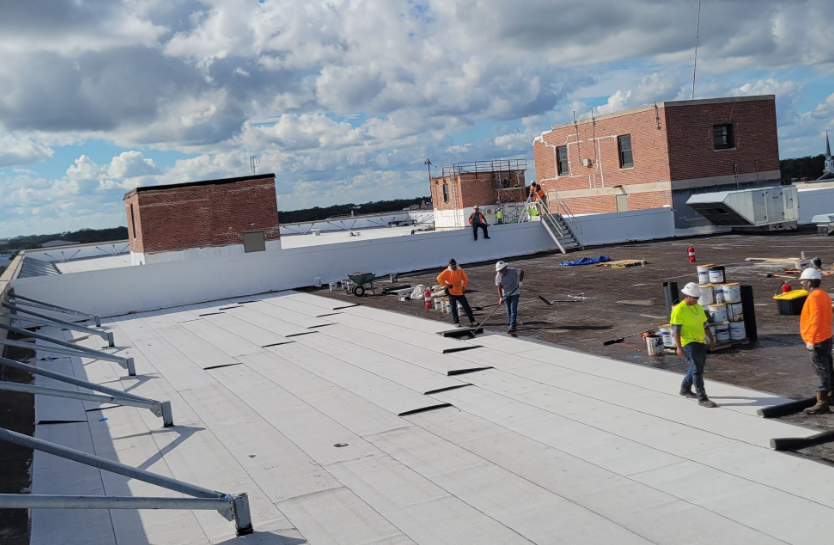
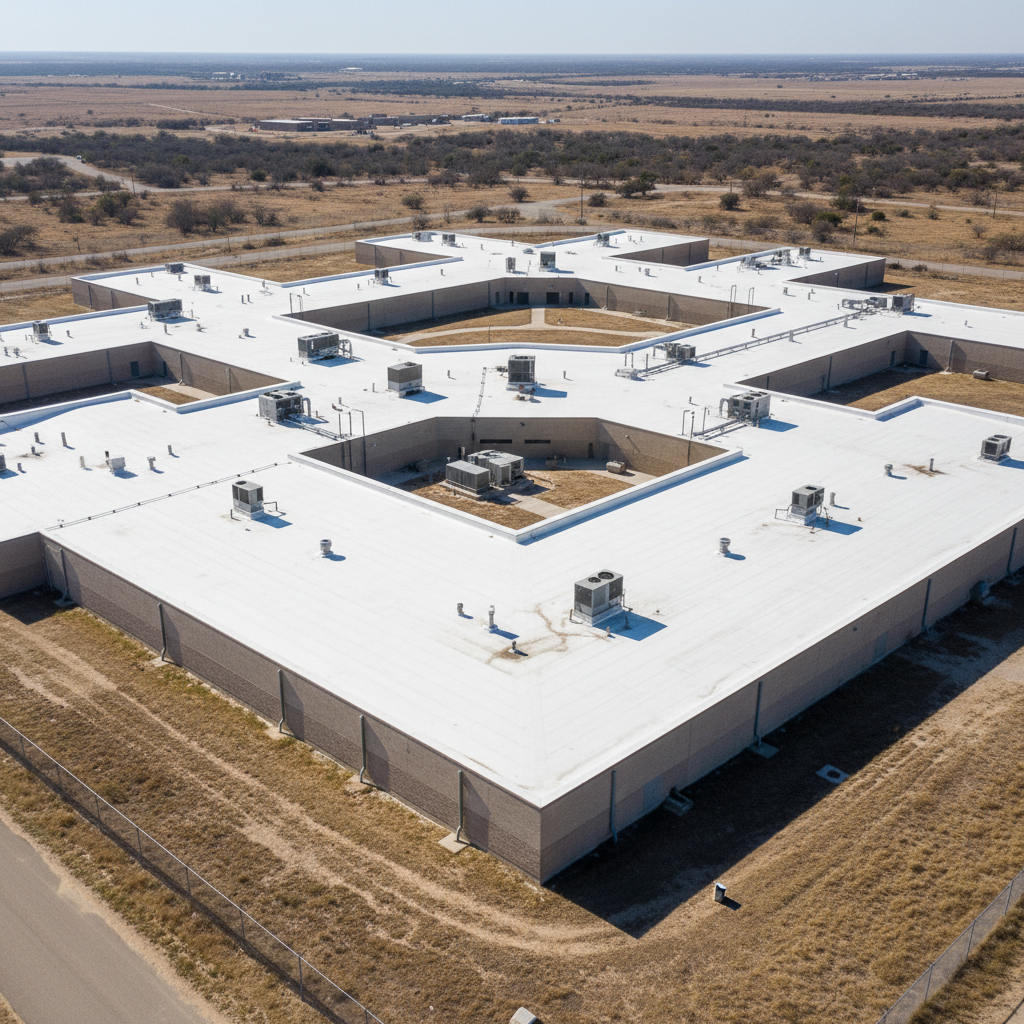
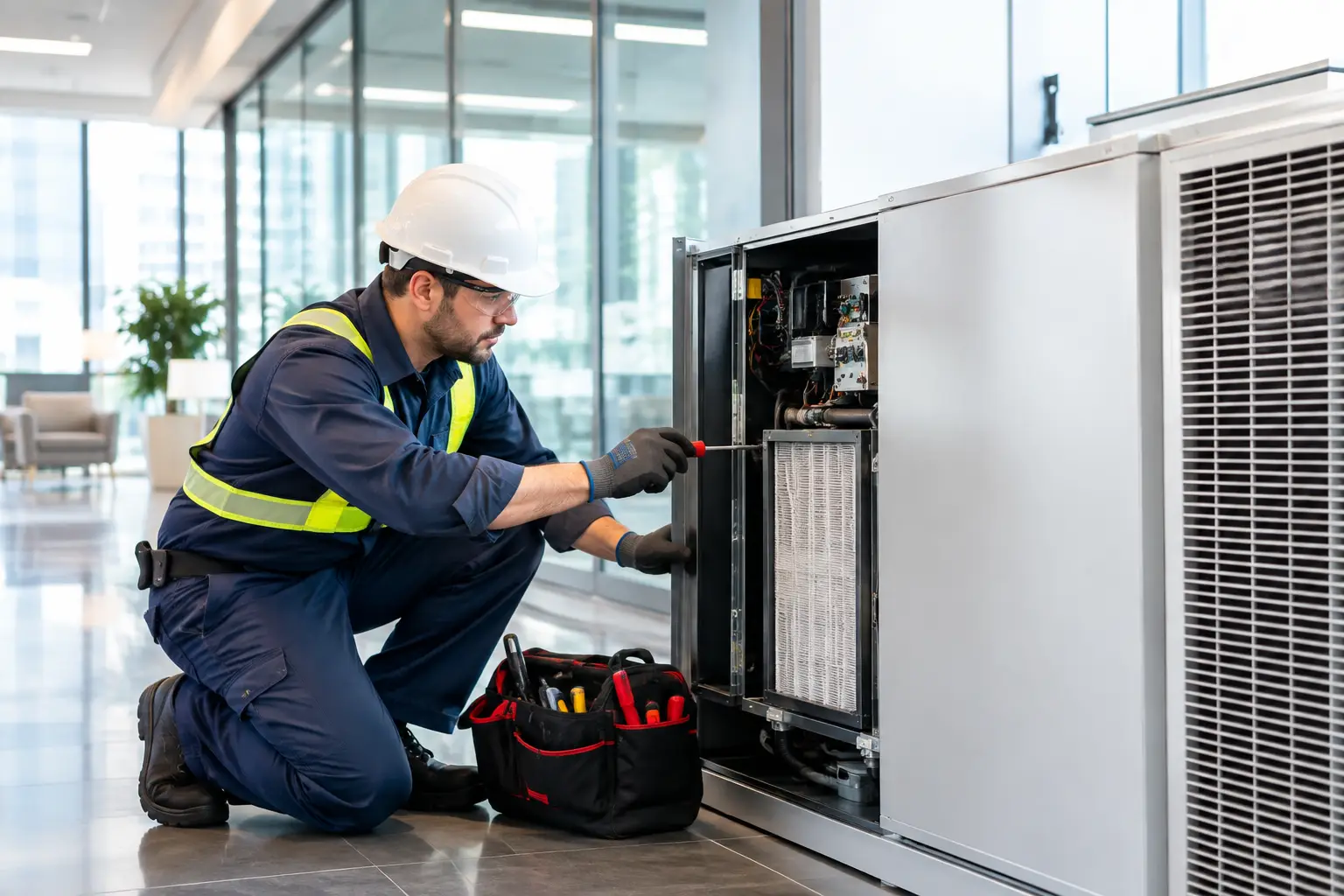
HVAC is often the largest ongoing maintenance category. Filters, belts, coils, drains, thermostats, economizers, and refrigerant performance all need regular review. Filter changes may be frequent in high-occupancy spaces or areas with construction dust, while more detailed seasonal inspections should occur before peak cooling and heating periods. Waiting until the first hot day to discover a cooling problem is rarely a cost-saving decision.
Electrical maintenance should focus on visible wear, panel condition, emergency lighting, exit signs, and equipment that supports critical office functions. Plumbing work commonly includes restroom fixtures, water heaters, drains, shutoff valves, and signs of hidden leaks. Small leaks deserve attention because water damage often expands beyond the original repair.
Fire and life safety work should follow the required inspection and testing intervals for the property and jurisdiction. This can include extinguishers, alarms, emergency lighting, sprinkler components, and egress hardware. These tasks are not simply operational preferences. They may carry documentation and compliance requirements that should be retained with the property records.
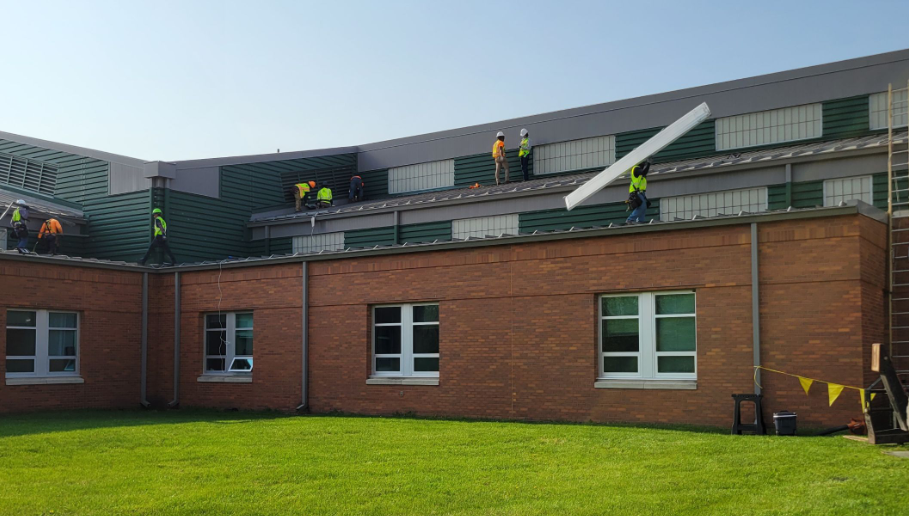
A schedule should also account for seasonal conditions. Before winter, inspect weatherstripping, roof drains, exposed piping, and heating systems. Before summer, confirm cooling readiness, inspect roofs and drainage, and address exterior lighting or pavement conditions that may affect safety.
Define the Work Before Requesting a Quote
Maintenance becomes difficult to control when a request says only, "check the building" or "service the HVAC." Clear scopes reduce misunderstandings and make quotes easier to compare.
For recurring work, define the assets covered, the tasks expected, the expected service frequency, site access requirements, hours when work can occur, reporting requirements, and approval limits for additional repairs. If the provider discovers a repair outside the approved scope, the process should state whether they may proceed, provide an estimate, or wait for authorization.
This level of detail protects both sides. The client knows what is included, and the service provider can schedule qualified labor, materials, and time appropriately. It also prevents a common problem in property operations: an invoice that is technically valid but does not clearly connect to an approved request or completed work record.
For capital equipment, distinguish between preventive maintenance and repair. A quarterly HVAC inspection may identify a failing motor or control board, but replacing that component is typically a repair requiring a separate quote or approved not-to-exceed amount. Keeping these categories separate improves budget tracking and makes it easier to see whether a system is becoming unreliable.
Use Work Records as a Management Tool
A completed visit should produce more than a closed ticket. It should create a record that tells the next person what was inspected, what was found, what was corrected, what remains open, and when the asset should be reviewed again.
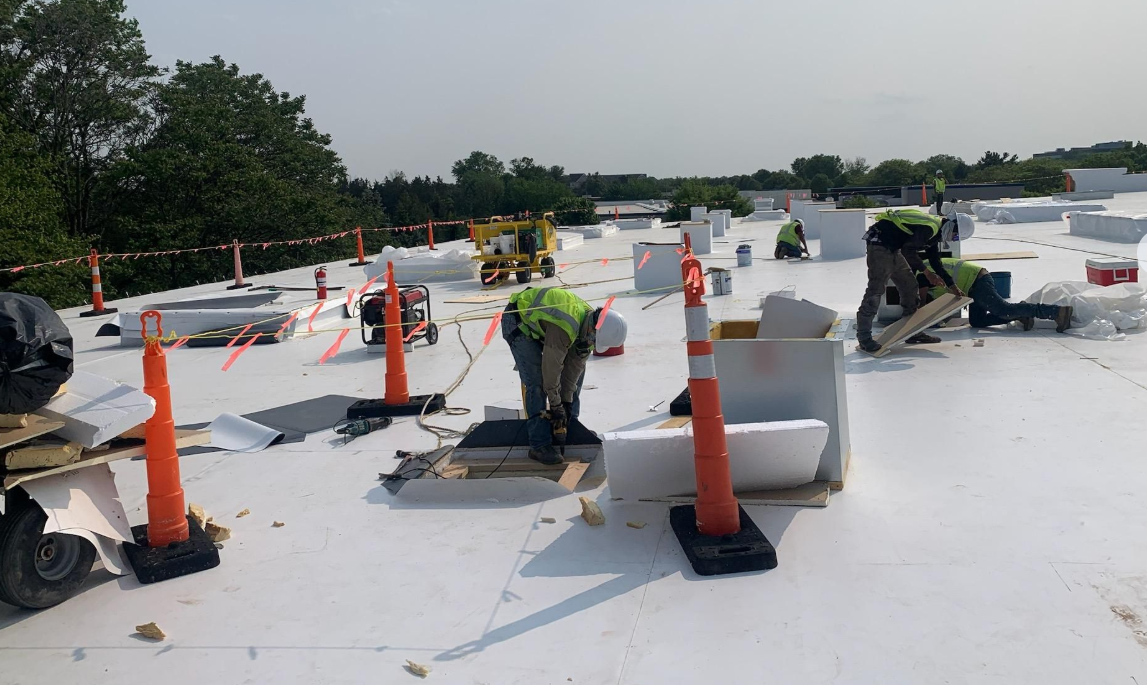
Require service documentation to identify the date, technician, equipment location, work performed, readings or observations when relevant, materials used, deficiencies found, and recommended next action. Photos are especially useful for roof conditions, water damage, equipment wear, and before-and-after repair verification.
Organized records make recurring problems visible. If the same air handler has repeated drain issues, or the same restroom has frequent fixture repairs, the team can evaluate root causes instead of treating each call as an isolated event. The records also support lease discussions, warranty claims, budget planning, and turnover between property or facility managers.
A disciplined workflow should connect service requests, quotes, approved scope, project status, completion records, and invoices. That connection is a basic control, not unnecessary administration. It helps teams answer simple but essential questions: Was the work approved? Was it completed? Did the invoice match the quoted scope? Is there follow-up work still pending?
Balance Planned Maintenance With Real Operating Needs
The best maintenance interval is not always the most frequent one. Over-servicing can waste labor and budget, while under-servicing raises the risk of failure. The appropriate balance depends on equipment age, manufacturer guidance, operating hours, occupancy, environmental conditions, and the cost of downtime.
For example, a newer office building with modern controls may need less corrective work but still requires inspections that protect warranties and identify early performance issues. An older building may justify more frequent checks because components are closer to the end of their useful life and emergency repairs could affect multiple tenants.
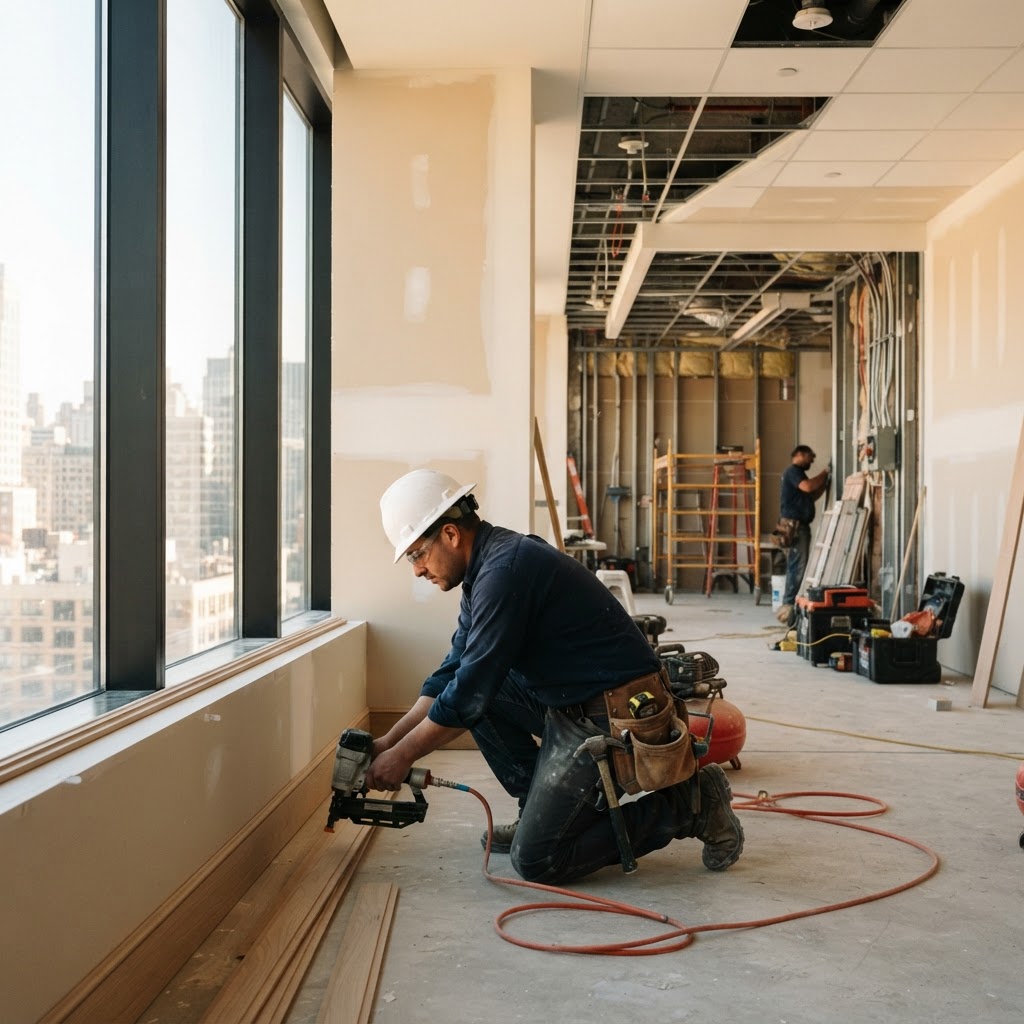
Occupancy also matters. Work that creates noise, odors, blocked access, or HVAC interruptions should be scheduled around tenant needs whenever possible. After-hours service may cost more, but it can be the better decision when a daytime shutdown would interrupt a large office, client meeting space, or essential department.
Property teams should communicate planned work before it happens. A short notice that explains the date, affected area, expected duration, access needs, and contact person can prevent avoidable complaints. For tenant-facing properties, clear communication is part of maintenance quality.
Track Costs by Asset, Not Only by Vendor
Vendor spend alone does not show whether a maintenance program is working. Track costs by building system and, when possible, by specific asset. This makes it easier to compare planned maintenance costs with emergency repair costs and to identify equipment that may be approaching replacement.
A rising repair history does not automatically mean replacement is required. A targeted repair may still be the most economical option, particularly when the equipment has remaining useful life. However, repeated service calls, declining performance, unavailable parts, and operational disruption are signs that a replacement analysis is warranted.
Budget planning should include routine service, expected repairs, and a reserve for unplanned issues. Office buildings will always have some corrective work. The purpose of preventive maintenance is not to eliminate every failure. It is to reduce avoidable failures and make the remaining work more predictable.
Assign Ownership and Keep the Program Moving
Maintenance programs lose momentum when nobody owns the calendar, vendor coordination, approvals, and records. Assign a responsible internal contact for each property or establish a clear service-management process with a facility partner. The responsible party should review upcoming work, open findings, pending quotes, and overdue tasks on a regular cadence.
A monthly review is often enough for smaller offices. Larger or multi-tenant properties may benefit from a more frequent operating review, especially during seasonal changeovers or active projects. The review does not need to be lengthy. Its purpose is to confirm that scheduled work happened, unresolved issues have an owner, and costs remain visible before they become urgent.
Expedient Facility Services LLC approaches facility work with this same need for order: defined requests, documented quotes, coordinated execution, and clear project records. For building teams, that structure reduces the administrative gaps that can turn routine maintenance into a last-minute problem.
A well-run program gives facility and property managers something more valuable than a completed checklist: fewer surprises. Start with the assets most likely to affect people and operations, document the work carefully, and use each service visit to make the next decision easier.

