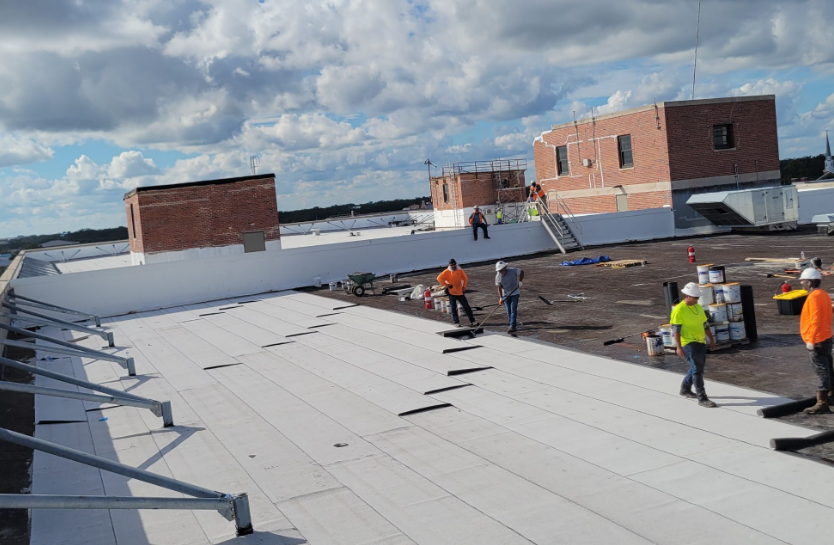
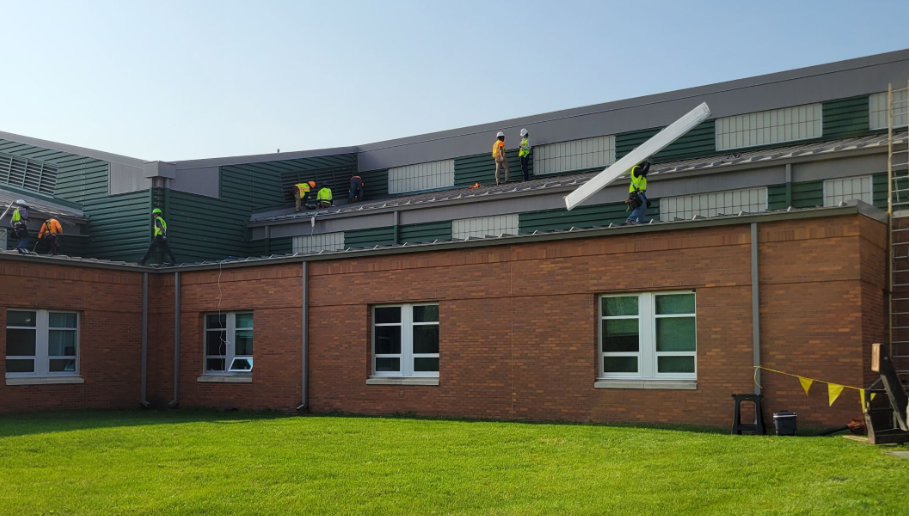



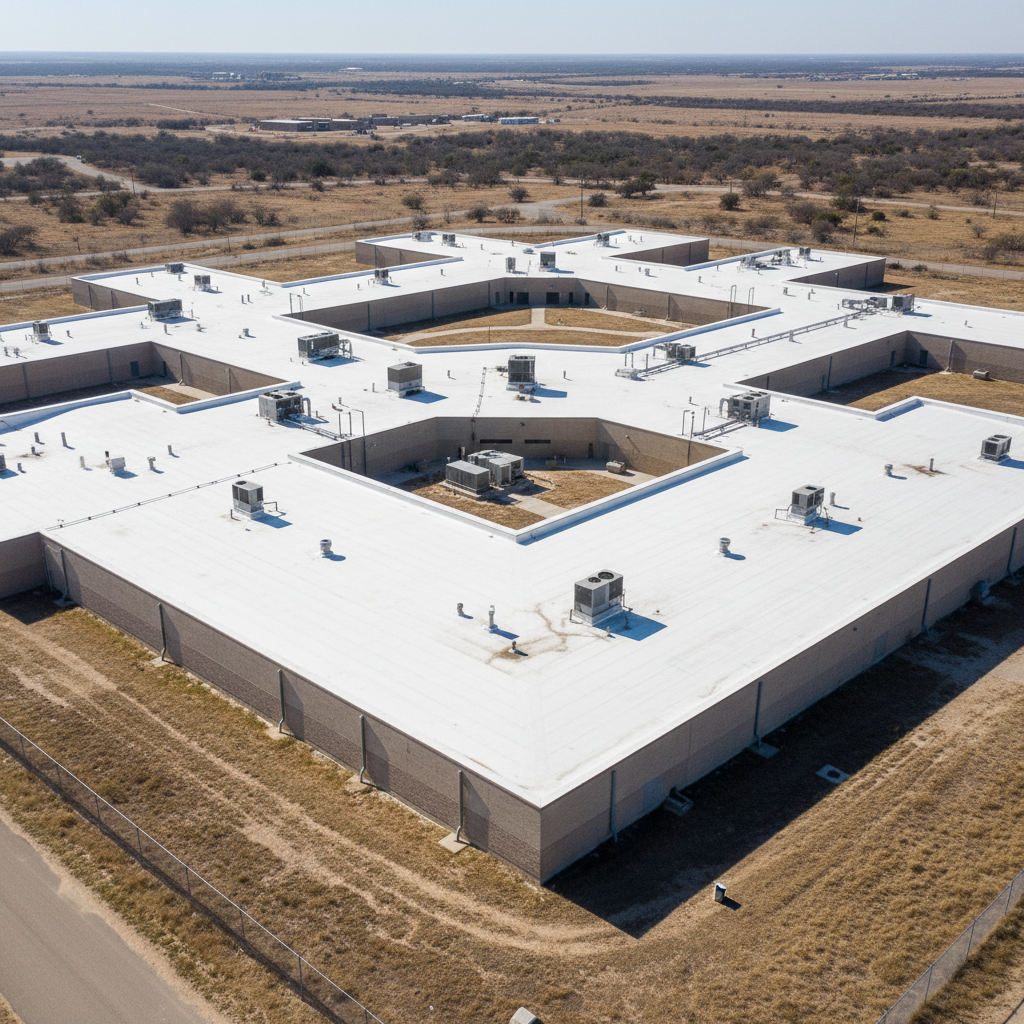


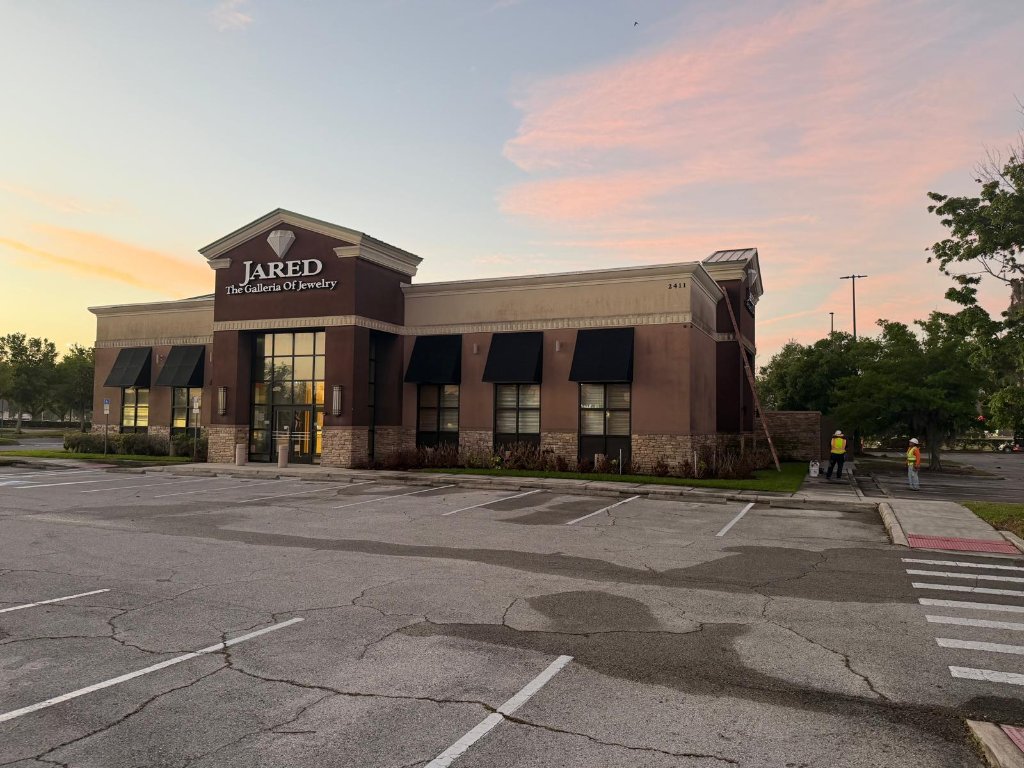




A project can look active without being under control. A vendor has been contacted, a quote was approved, materials may be on order, and someone has visited the site. But if the facility manager cannot quickly confirm the current status, approved scope, cost position, and next action, the project is difficult to manage. Facility project reporting creates the working record that keeps those details visible from the first request through invoicing.
For commercial properties and workplaces, reporting is not paperwork added after the work. It is how property managers, operations teams, and vendors coordinate decisions while the work is still underway. A clear report prevents a minor repair, refresh, installation, or corrective project from becoming a series of phone calls with no reliable record.
What Facility Project Reporting Should Answer
A useful report should let a client or internal stakeholder understand the project without having to reconstruct it from email threads. At minimum, it should answer: What was requested? What scope was approved? What has been completed? What remains? Is the project on schedule and within the approved amount? Who owns the next step?
Those answers need to be current and specific. “Work in progress” is not a meaningful status if it does not say whether access is pending, materials are delayed, a field visit is scheduled, or the project is ready for client review. Likewise, “budget on track” is not enough when an approved change, allowance use, or additional service request affects the final invoice.
The level of detail depends on the work. A small service project may need a concise status update and closeout record. A multi-phase improvement across an occupied property may require scheduled reporting, milestone tracking, site constraints, change documentation, and a record of stakeholder approvals. The goal is not to produce the longest report. The goal is to make the project easy to control.
Start Reporting at the Quote Stage
Reporting works best when the project record begins before crews arrive. The quote should establish the baseline against which progress will be measured: requested service, assumptions, included work, exclusions, pricing, schedule expectations, and any site requirements.
This is especially important when facility work involves conditions that cannot be fully confirmed until a site visit or demolition begins. A quote can identify known conditions while also stating what will trigger a revision. That approach protects both parties. The client knows what has been approved, and the service provider has a documented process for requesting authorization if conditions change.
Once a quote is accepted, the approved scope should move directly into the project record. Re-entering information manually creates avoidable gaps. A project manager should be able to see the original request, the accepted quote, contacts, property details, assigned resources, and scheduled work in one organized workflow.
Keep the baseline visible
The original scope should remain accessible even when the project changes. Without a visible baseline, teams often compare current activity to memory rather than to the approved work. That is when extra tasks get performed without clear authorization or clients receive invoices they did not expect.
A practical report separates three things: approved work, completed work, and requested additions. They may overlap during a project, but they should not be treated as the same category.
Use Status Updates That Drive Decisions
The most effective project updates are built around actions, not general commentary. Each update should identify the reporting date, current phase, work completed since the prior update, work planned next, open issues, and the person responsible for resolving each issue.
For example, a report for a flooring replacement should not simply state that installation has started. It should show which areas are complete, which areas are scheduled next, whether furniture relocation or tenant access is affecting the sequence, and whether the material quantity remains aligned with the approved scope. That gives the facility manager information they can use to coordinate occupants and make decisions.
Regular reporting also reduces unnecessary check-in calls. Clients still deserve prompt answers when something changes, but a dependable status cadence means they do not need to ask for basic information repeatedly. Weekly reporting may be appropriate for longer projects, while short-duration work may only need an initial confirmation, an active-work update if conditions change, and a closeout notice.
Frequency should match risk, duration, and stakeholder needs. Reporting every day on a two-hour repair can create administrative noise. Reporting only at completion on a two-week project with access restrictions can leave too much unmanaged.
Track Scope, Schedule, and Cost Together
Scope, schedule, and cost are connected. A schedule delay may result from a site access issue. That issue can create additional labor, remobilization, or a request to change the work sequence. Reporting each item separately without showing the relationship makes it harder to understand the real project position.
A controlled report documents the issue, the impact, the proposed response, and the required decision. If a client approval is needed, the report should state that plainly. If there is no cost impact, that should be stated as well. Clear documentation avoids the assumption that every delay creates a charge or that every field adjustment is automatically included.
Changes deserve their own record. A verbal request can start a conversation, but it should be confirmed in writing before work proceeds when it affects price, scope, materials, or schedule. The record should identify the requested change, reason, pricing or estimate status, approval status, and effect on completion. This is not about adding friction. It is about preventing confusion at billing time.
Make Field Information Usable in the Office
Good reporting connects site activity to client administration. Field teams need a simple way to record arrival, work performed, conditions found, photos when appropriate, materials used, and unresolved items. Office teams need that information in a format that supports client communication, project oversight, and invoicing.
The reporting process should be easy enough to use during a busy service day. If documentation requires multiple disconnected forms or repeated data entry, it will be delayed or incomplete. A structured project workflow helps keep notes, quote details, service activity, approvals, and invoice records associated with the same job.
Photos can be valuable evidence of completed work or existing conditions, particularly for repairs, damage assessments, and before-and-after improvements. They should support the written record rather than replace it. A photo of a completed area does not explain whether all approved work is finished, whether a separate issue was discovered, or whether the client needs to take action.
Close Out the Project Before Sending the Invoice
Project completion should be more than a statement that the crew has left the site. A closeout review confirms that the approved scope was completed, open items are assigned, changes are documented, and the client has the information needed to review the work.
For some projects, the closeout is brief: completed date, service description, confirmation of work performed, and invoice reference. For larger work, it may include final photos, completion notes, warranty information, maintenance recommendations, punch-list status, or records of materials and equipment installed. What belongs in closeout depends on the service, but the standard should be consistent.
Invoice accuracy improves when closeout happens first. The billing record can then reflect approved quoted work, authorized changes, and any documented allowances or credits. Sending an invoice before the project record is complete invites disputes that could have been prevented with one final review.
Build Accountability Into the Workflow
Facility project reporting is most useful when responsibilities are clear. The client contact should know who receives updates and who can approve changes. The service provider should know who owns scheduling, field documentation, client communication, and invoice review. If responsibilities are vague, updates may be sent to the wrong person or important requests may sit unanswered.
Expedient Facility Services approaches this work as a connected process: request, quote, project activity, and invoice administration should support one another. That structure gives clients a cleaner record of what was requested, what was approved, and what was delivered.
Reporting does not eliminate field conditions, material delays, tenant access issues, or changing priorities. It makes those realities visible early enough to manage them. When every project has a clear baseline, current status, documented changes, and orderly closeout, facility teams can spend less time chasing information and more time keeping their properties operating.